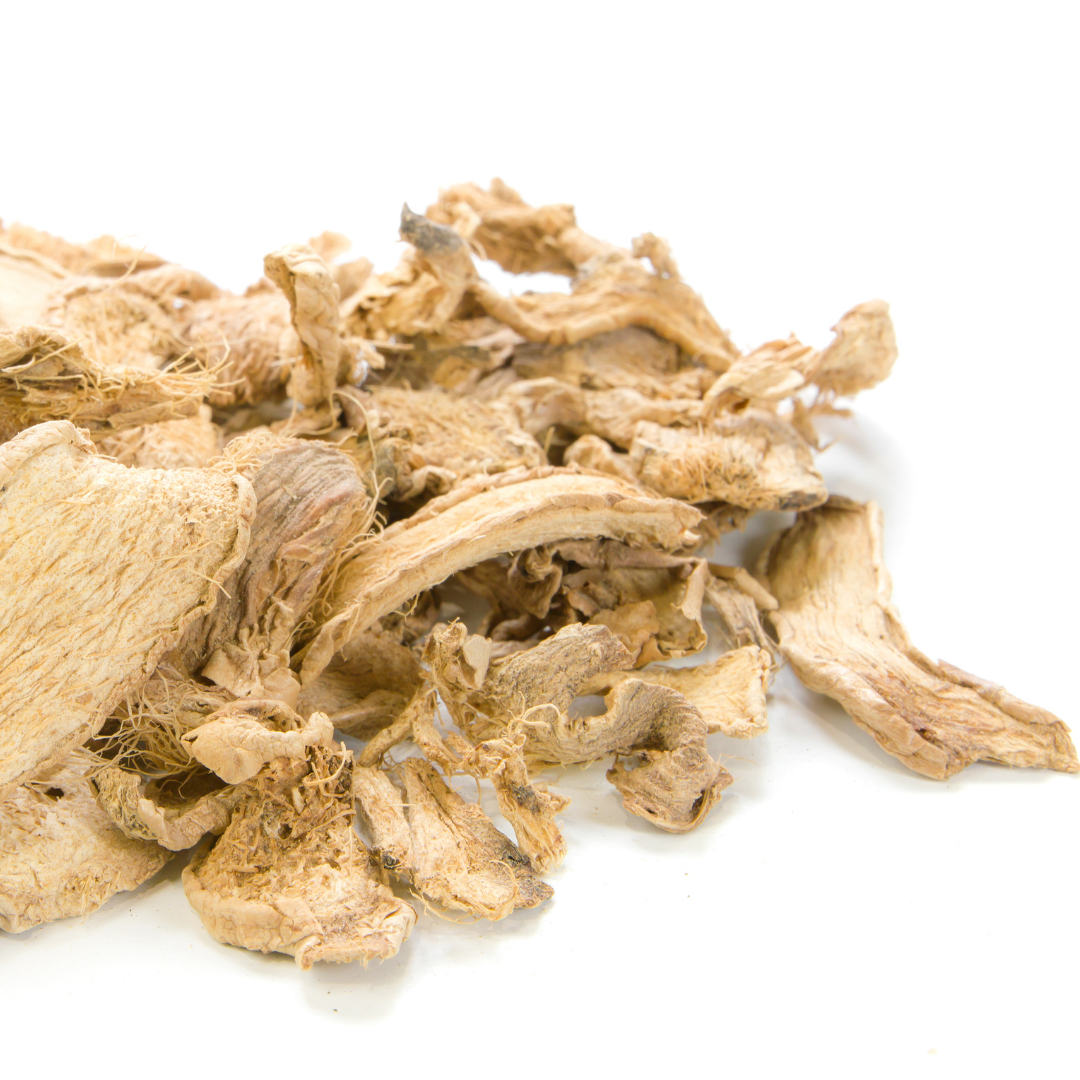
Ginger Root ~ Organic Tisane
$18.00
Unit price perEstimated delivery between October 12 and October 14.
Botanical Name: Zingiber officinale
Part Used: Root / Rhizome
Traditionally used by Naturopaths & Herbalists for nausea and vomiting associated with travel or motion sickness, intestinal colic, fever, arthritis, endometriosis, and migraine headaches. Warming to the constitution. For the specific health benefits of each ingredient refer to A-Z Botanical Ingredients
Steep: Half to 1 teaspoon per cup of boiled water for 3-5 minutes.
Blends well with Cinnamon, Chamomile, Aniseed, Fennel, Dandelion root, Caraway, Dill, Licorice root, Lemongrass, Lemon myrtle.
Quality & Craftsmanship: Our teas and tisanes are produced in small, bespoke batches, hand-crafted in Australia using certified organic, carefully sourced botanicals. Each blend is created with intention, honouring both the integrity of the ingredients and the rituals they support. We are committed to minimal waste and environmental responsibility at every stage. Our cartons are proudly manufactured in Australia from strong, durable cardboard and are 100% recyclable. The cellophane we use is derived from natural cellulose (a glucose polymer sourced from wood, cotton, or hemp) and is fully biodegradable. Our amber glass jars are designed for longevity, reusable, enduring, and protective. Amber glass shields delicate botanicals from light exposure, preserving their potency, aroma, and therapeutic value. Apotheca by Anthia is proudly 100% Australian owned and made.
Natural Variations: Variations in flavour, colour, and texture are a natural reflection of the living ingredients we use. Differences arise from seasonality, soil health, origin, and the cut of each botanical. As small-batch producers, we maintain exceptional quality control, ensuring every blend meets our standards while honouring the inherent diversity of nature. These variations are not flaws, but a testament to authenticity.
Tisane vs Tea: A tisane refers to a herbal infusion made from flowers, leaves, roots, seeds, or fruits, and is naturally caffeine-free. Tea, in the traditional sense, refers specifically to preparations made from the leaves of the tea plant, Camellia sinensis. This includes white, green, oolong, black teas and everything in between, all of which naturally contain caffeine in varying amounts.
FOLLOW US
